Your data stays in your systems
The agent doesn't get its own copy of your database. It calls tools that query your systems when it needs an answer, and the model receives only what the task needs.
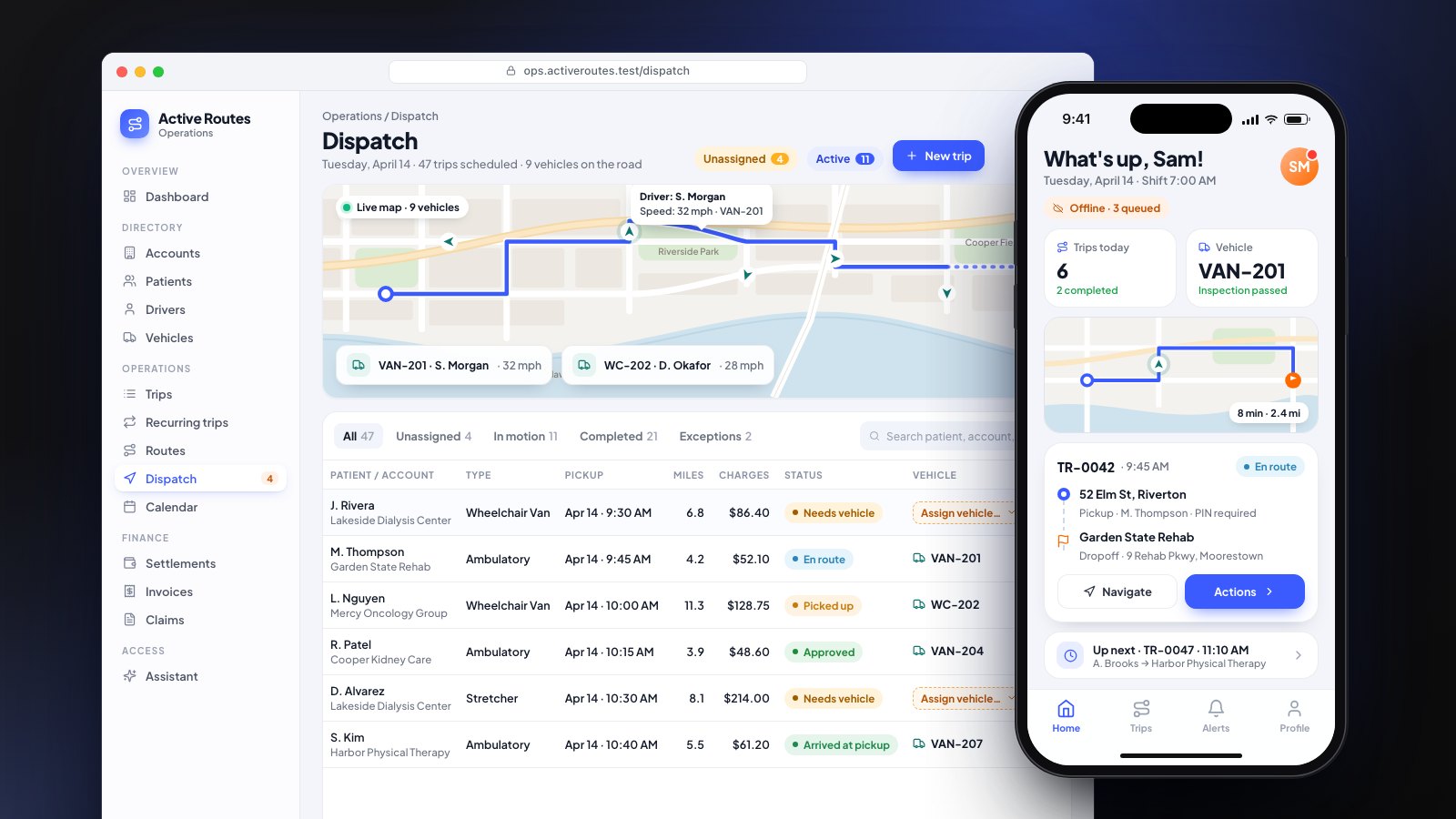
In our NEMT dispatch platform, the assistant answers staff questions through ten read-only tools over live trip data. Its answers come from what the system holds.
Least privilege: read-only tools first
Our agents start with the least access that does the job.
- Narrow tools. Each tool does one job, such as listing today's trips or forecasting cash. The model never gets open access to the database.
- The user's own permissions. Tools run with the signed-in person's permissions, so the agent can't show someone data they couldn't already see.
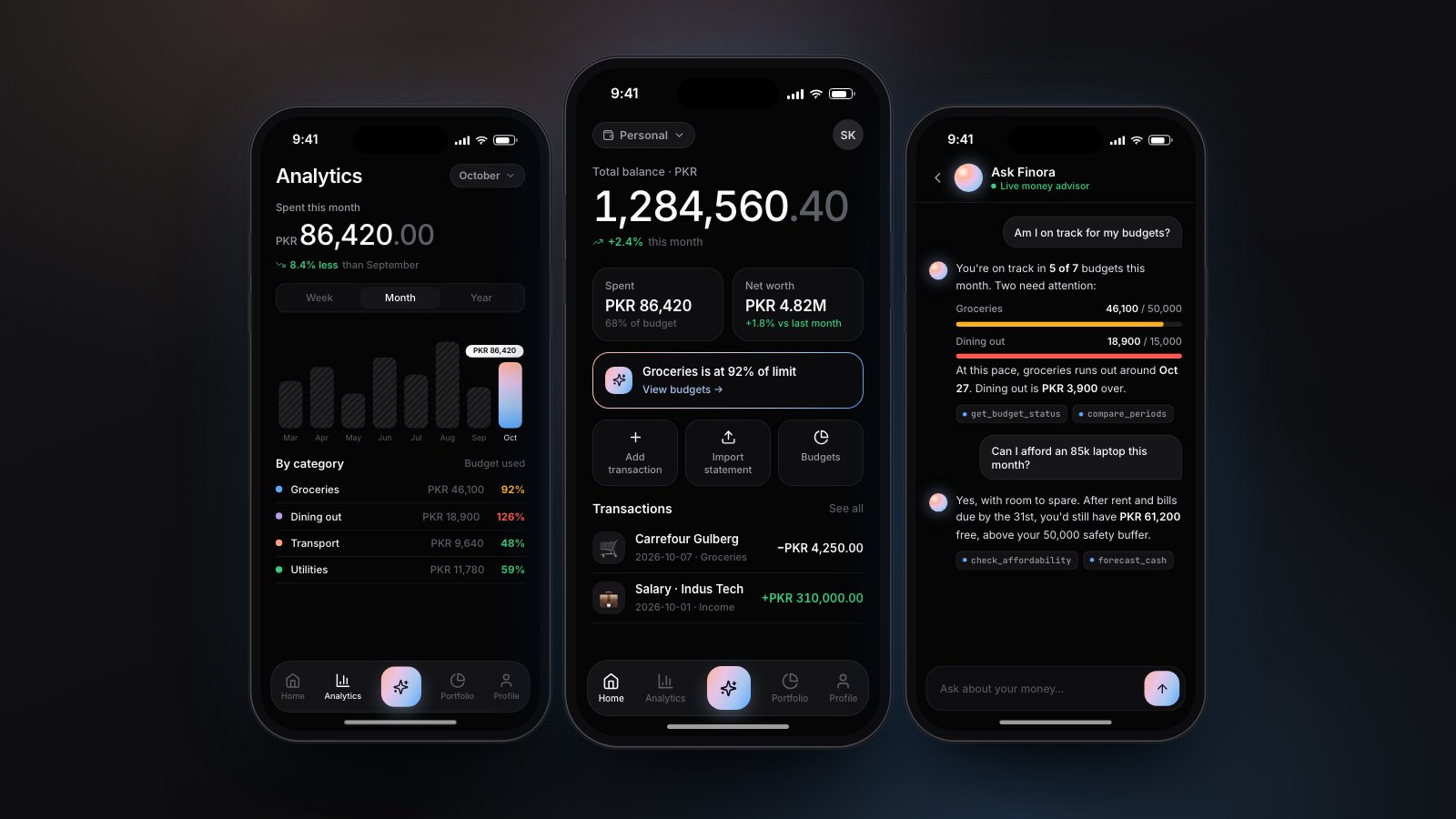
- Scoped to one place. In Finora, our finance app, the agents can only read the current workspace. In SiteGuard, the assistant is scoped to one site.
- Answers you can check. Finora's agents must say which tool each number came from.
Human approval for actions
An agent that changes data asks first. Actions such as creating a booking or a bill go to a person for approval.
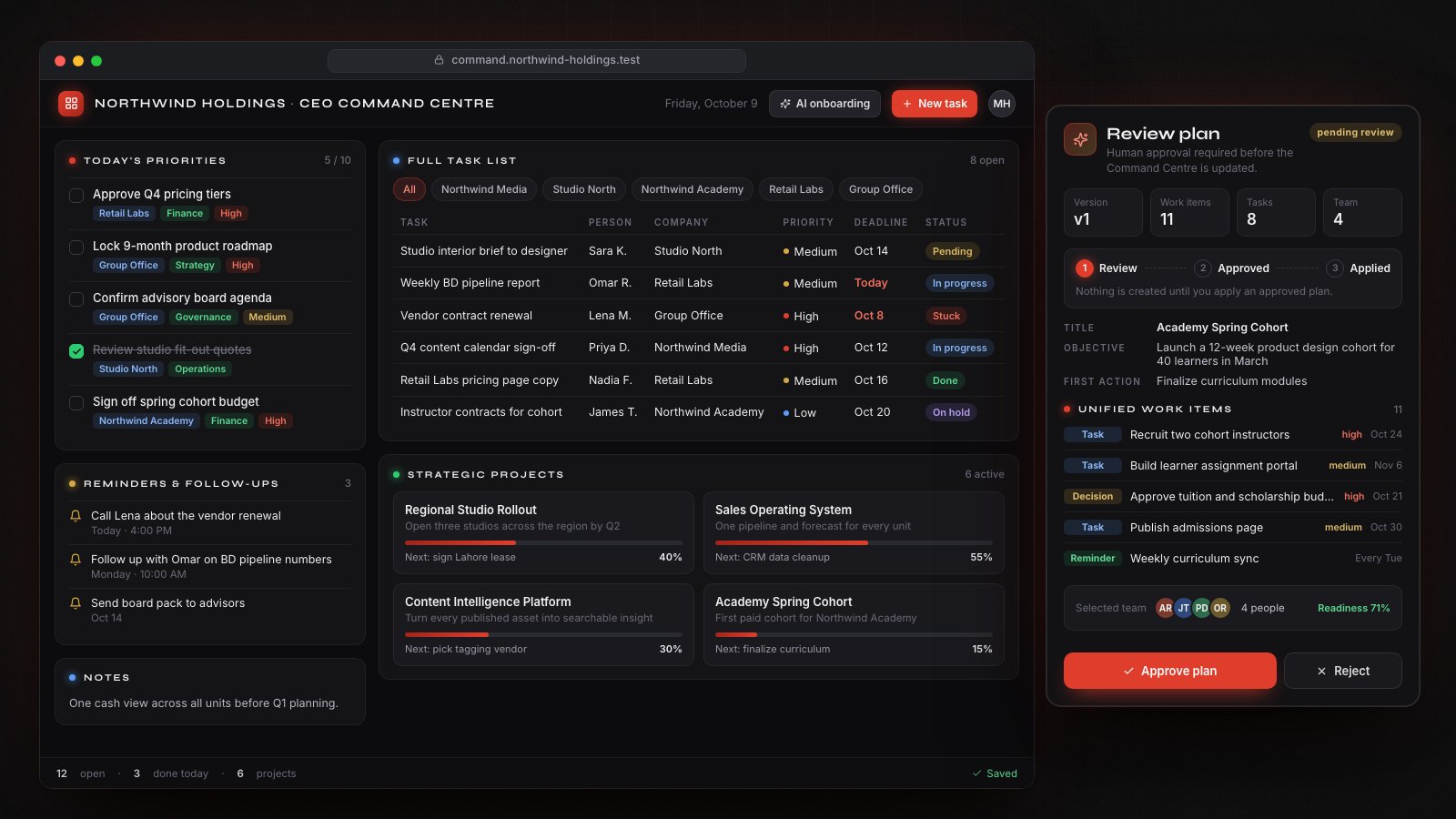
In our executive command center, an assistant turns a written brief into a proposed project plan, but nothing is saved until a person approves it. You decide which actions, if any, can ever run without a check.
Logging and audit trail
Every AI action is logged, so you can see what was asked, which tools ran and what came back.
- Retention is set per project. In the command center build, AI exchanges are purged on a schedule.
- Usage and cost are tracked per request, with limits so one user or one bug can't run up a large bill.
Keys, credentials and encryption
Secrets stay on the server and out of the code.
- Model API keys and integration credentials are kept in server-side configuration, never in a browser or a phone app.
- Each connection gets its own credential that can be revoked on its own. In SiteGuard, every camera has its own revocable ingest token.
- Stored secrets are encrypted, and traffic between your apps, your servers and the model provider runs over HTTPS.
Model providers and their data policies
We use models from Anthropic and OpenAI through the Laravel AI SDK, and pick the one that fits your cost, speed and accuracy needs.
- No training on your data. We never use your data to train models.
- Minimum data sent. A model receives only what a task needs.
- Provider retention. Each provider sets its own terms for how API data is handled and kept. Where a provider offers zero data retention, we can turn it on.
- Your own review. Provider terms change, so check the current terms for the provider we pick as part of your own review.
Testing before release
Agents are tested against known answers before they reach your team. Finora's evaluation suite checks 20 advisor questions against answers verified in SQL. Support-style assistants screen messages for misuse and refuse off-topic requests.
Who owns the code and data
You own what we build for you, and your data is always yours.
- Code lives in your own repository from the first day.
- The code, prompts and configuration we build for you are yours once paid for.
- Our own reusable tools stay ours and are licensed to you as part of the work.
- Non-public business and technical information shared during a project is treated as confidential.
Certifications and security reviews
We don't hold a security certification or publish audit reports. If your project has specific requirements, such as a security questionnaire or rules for patient or financial data, tell us at the start. We write how we'll meet them into the proposal. The AI Workflow Audit is a good place to check this before a build.